 INTERNATIONAL Trade and Investment Minister Richard Maru has told the 22 member countries of the Pacific Islands Investment Forum that the economies needed investment.
“We can have all the resources in our country but we need investment to move and expand the economy,” he said. “For instance in Papua New Guinea, we have more resources that you could possible think of in the renewable and non-renewable sectors, but again without investors, we can have big dreams and visions but nothing will happen. “We need investors (who) grow an economy by using the resources, investing, creating employment and development as a result.” The two-day forum for super fund executive officers ended yesterday in Port Moresby. Maru and Prime Minister James Marape invited the chief executive officers of provident funds, superannuation funds, sovereign wealth funds, trust funds, and social security administrations in the Pacific to invest in PNG. Maru gave an overview of the resources in PNG which indicated a large number of opportunities in Special Economic Zones (SEZs), mining and agriculture. 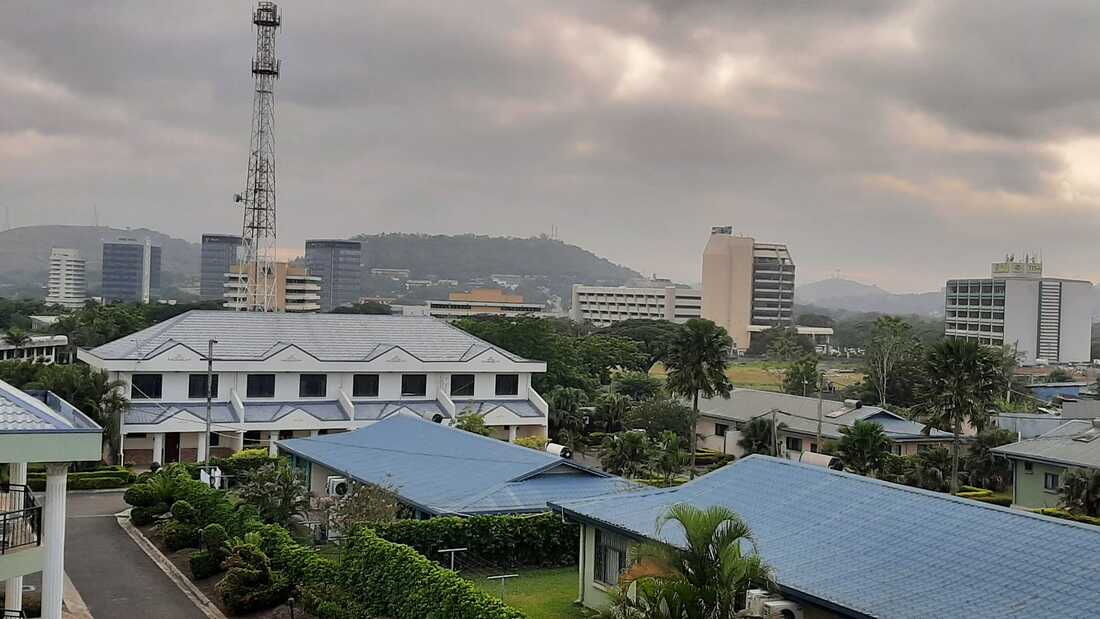 PNG Has Alot Of Economic Opportunities To Offer To The Pacific Countries [Photo Port Moresby/File Photo] PNG Has Alot Of Economic Opportunities To Offer To The Pacific Countries [Photo Port Moresby/File Photo] PAPUA New Guinea has a lot to economic opportunities to offer Pacific Island Investment Forum member countries, says Prime Minister James Marape.
“We are inviting you to see and experience the immense economic opportunities that our country has to offer to you our wantok from the Pacific,” he said. “(It) includes our bilateral and trading partners Australia, New Zealand, Indonesia, Malaysia, Philippines, China, Japan and India. “PNG has a lot of land available for agriculture and other economic activities.” Superannuation fund officials from the 22 forum member countries are attending a two-day meeting in Port Moresby. Marape urged them and their governments to look investment opportunities and “how you can grow your members in the region”. “PNG is right at your doorsteps with abundance economic opportunities,” Marape said. 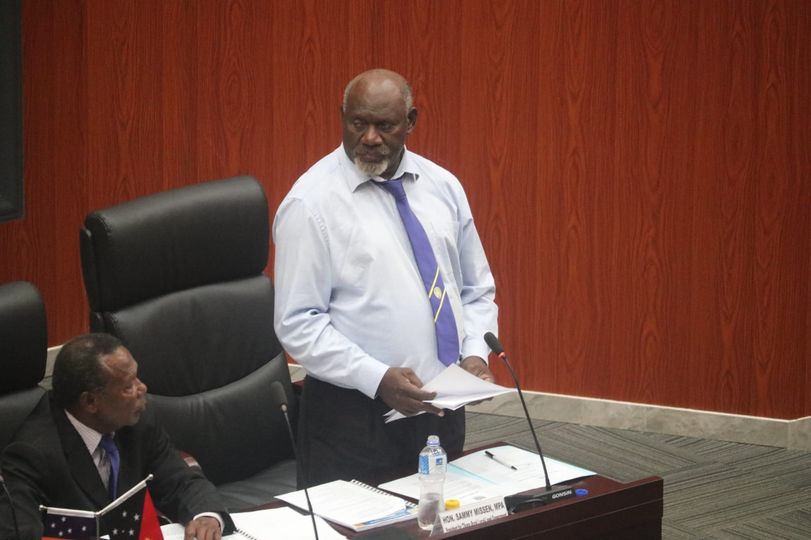 Papua New Guinea TREASURER Ian Ling-Stuckey must tell the nation the country’s true economic status because he is painting a picture so different to the reality of things on the ground, an official says.
New Ireland deputy governor Sammy Missen was responding to what Ling-Stuckey told Parliament on Tuesday, that in the context of a tough global environment, with many countries expected to fall into recession, PNG was growing at double the world rate. “PNG is doing better than most because of the good economic policies of the Government,” he said. “Do not believe the lies on social media or from some of those sitting on the other side.” 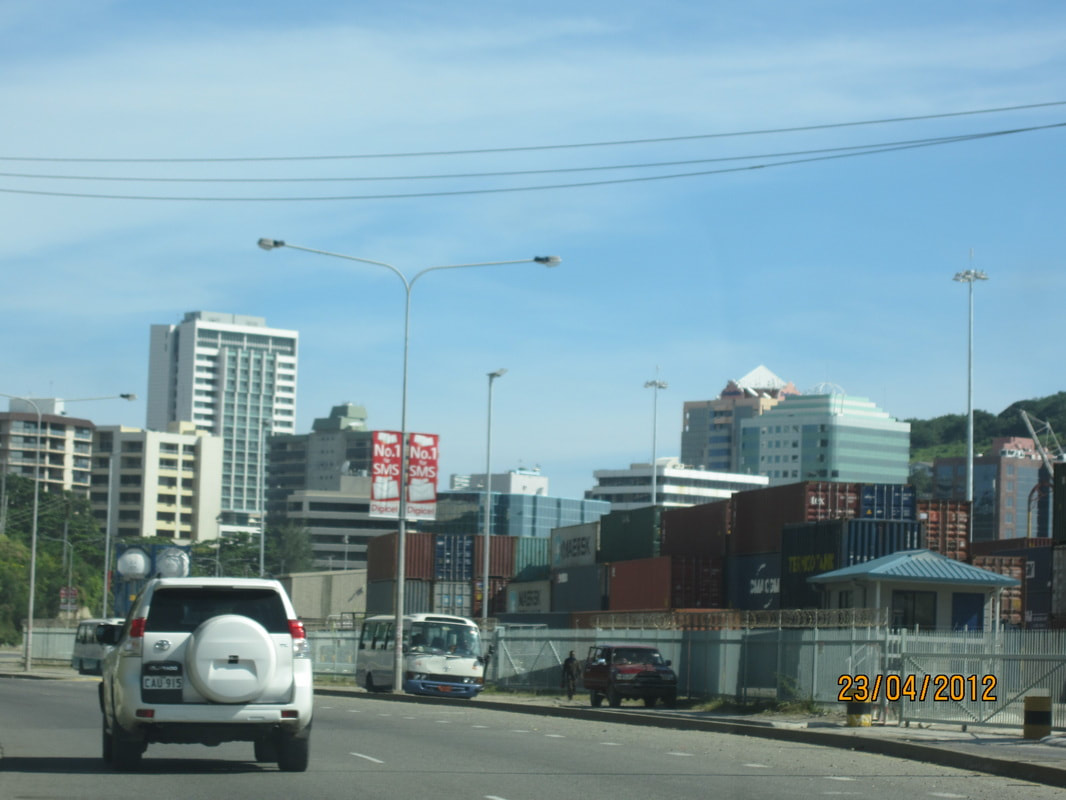 The Asian Development Bank has projected that Papua New Guinea's GDP will grow by 3.4% in 2022 and 4.6% in 2023, which is a significant improvement from their previous projections.
The World Bank has also reported an increase in exports due to higher prices for gold, copper, and nickel. What does this mean for everyday Papua New Guineans, the business community, and the government? The projected economic growth rate is expected to have several positive effects. For everyday Papua New Guineans, a growing economy means increased employment opportunities, higher wages, and better access to goods and services. 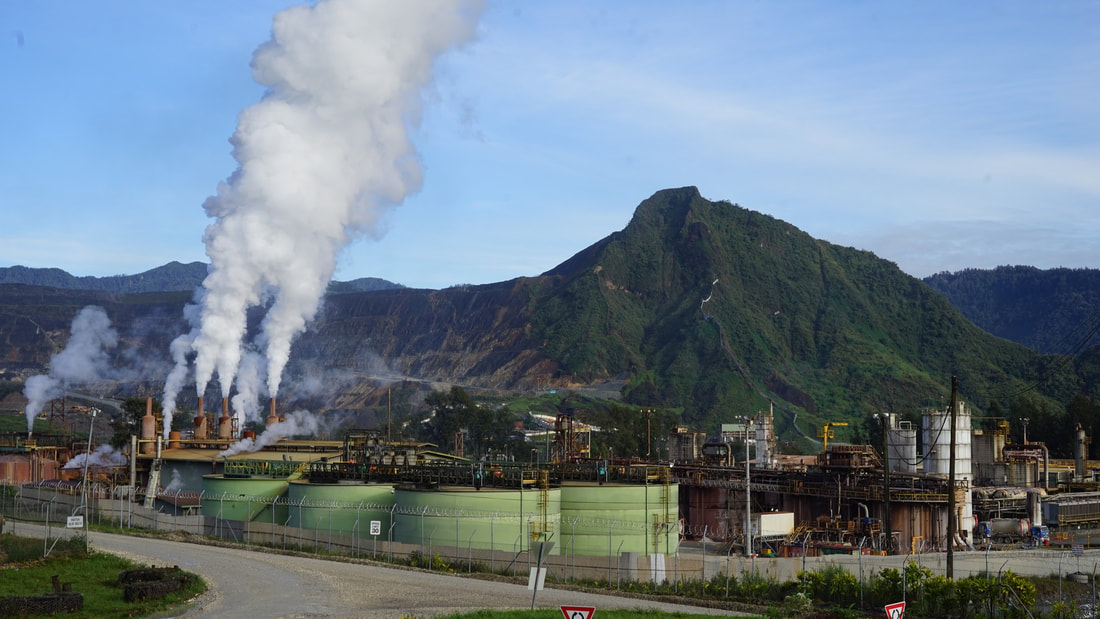 Photo of Porgera: MRA Photo of Porgera: MRA Papua New Guinea Prime Minister James Marape says the only delay to reopening the Porgera Mine was largely due to a tax issue which requires an assessment from the Internal Revenue Commission or IRC.
Marape says the government expects to complete and clear all paperwork in the first six months of this year before the reopening of the Pogera Mine. Work is still in progress on the reopening of the multi-billion Kina Pogera Mine. Prime Minster James Marape reaffirmed this to the nation, dispelling critics that the government has been tightlipped on the matter. Marape says the only hindrance is in relation to a tax issue in which IRC is THE Papua New Guinea Government tends to create new institutions to address problems rather than fixing or resourcing existing organisations to make them functional, Institute of National Affairs director Paul Barker says.
“This results in powers that overlap. The Government needs effective reviews and monitoring systems in agencies and sectors so that powers do not overlap,” he said. Barker said with the recent creation of new ministries and agencies, the Government must ensure functions of existing organisations did not overlap with the new ones, as they most often tended to. “There are central government agencies that are meant to plan, coordinate and oversee, while line agencies, statutory authorities and sub-national authorities implement,” he said. Barker pointed out that the Government also needed to improve its project and policy implementation capacity as well as the ability to monitor expenditure. |
Papua New Guinea Economy WatchThis blog page updates all the Economy activities in Papau New Guinea. ..Get Free Webpage for your company/Organisation . Contact us Mining & Petroleum
|

- Home
- News
- Business News
- Economy News
- Sports News
- International News
- Corruption News
- Mining Watch
- Jobs
- Education News
- Scholarships
- Health News
- Bzzmart Online Shopping Platform
- Pacific
- Used Cars
- Buy or Rent Homes
-
Travel
- City of Port Moresby
- Adventure and Destination
- Hotels & Lodges in PNG
- Hotels & Lodges in Mendi, Southern Highlands Province
- Hotels & Lodges in Lorengau, Manus Province
- Hotels in Oro Province
- Hotels and Lodges in ESP
- Hotels & Lodges in Kavieng
- Hotels and lodges in Kimbe
- PNG Photo Gallery
- Map of Papua New Guinea
- PNG
-
Computer Tech
- Tech Help
-
Top Weebly designed Websites
>
- HOW TO RECOVER FILES WITH SHORT CUTS OR HIDDEN IN FLASH DRIVE OR EXTERNAL HARD DRIVE
- How to remove Stubborn Computer Virus
- Creating Login or Sign in Membership page in Weebly sites
- How to auto insert Table of Content in Word
- Top Weebly Website Examples and Portfolio
- Weebly Membership Sign in feature available
- Send Free SMS in PNG
- Radio Stations
- Television stations >
- PNG Information Directory
- Computer Resources
- Classifieds
- About us
- Contact Us
- Competition
- Advertisement
- Privacy Policy
- SP PNG Hunters News
- Weebly Forums
- National Football Stadium, Port Moresby
- Work Permits and VISAs in PNG : Guide
- Seasonal Workers Program for PNG
- List Your Business on PNGFacts.com
- Twodot Business Solutions
- Become a Sponsor
- Mt Giluwe Lodge
- Papua New Guinea Defence Force
- Political parties in PNG
- NID PNG
- Employment VISA in PNG
- Business VISA
- Visitor VISA
- Police Clearance in Solomon Islands
- PNG Electoral Commission
- PNG Election Results
 RSS Feed
|
Search Papua New Guinea Database >>
|
|
|
|
|
Home: PNG News :Travel : Government System: Computer Tech : About us: Contact : Disclaimer : Sitemap : Login Copyright & Disclaimer © 2012 -2023 PNG Facts: All rights reserved:
|
Website developed by Kilikalo Technology & Business Solutions Ltd
About |
Terms |
|